Blake Richard
Recent Stories
GLIFWC ‘objects’ euthanasia of 9 wolves, DNR says policy was followed
Following an Oct. 5 statement by the Great Lakes Indian Fish and Wildlife Commission (GLIFWC) objecting to the euthanasia of nine wolves in Price County, the Wisconsin Department of Natural Resources (DNR) added to its original statement, and included a comment from DNR secretary Karen Hyun:
9 wolves in Price County euthanized due to human safety threats
The Wisconsin Department of Natural Resources (DNR) confirmed in a statement Friday, Oct. 2 that nine wolves were euthanized in northern Price County due to human health and safety threats.
Hardwood Hearings
Her blue eyes staring intently to stay, she forced my feet stiffly past the water which ran down her feathers to moisten the earth. In the continual misty shower she remained eerily still, as if part of the vegetation indentation. I tromped on by as she nearly slipped my detection. Scanning left to right with each step into the forever forward, I caught her hidden heartbeat out of the corner of my eye.
Going for Grouse
The extended duration of ruffed grouse season means there is still time to pursue perhaps one of the Northwoods’ most well-known game species. Nearly a month into the season, it may be time to get out and ruffle some feathers before the snow starts to fall.
Hardwood Hearings
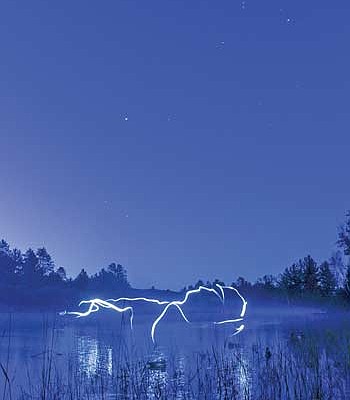
The closing of night before opening day is probably the most prepped and ready I get for just about anything. It’s something I wait nearly an entire year for. Opening day; two words that pay partly to the homage that makes the outdoors all that it is. Two words that pay partly to all that I am.
NRB discusses Line 5, passes invasive species and ‘rehabilitation regulation’ rules
The Wisconsin Natural Resources Board (NRB) held its September meeting on Sept. 23 in Sturgeon Bay. Secretary Karen Hyun concluded her opening statement by explaining the Department of Natural Resources’ (DNR) involvement regarding Enbridge Line 5. It was a topic that saw the majority of public comment during the open forum portion of the meeting, including statements from out-of-state affiliations.
Island bounty
It’s hard to beat the sun up when you’re living in the land of the midnight sun. Luckily, I was rising in Cordova, where drenching droves of rain dump from clouds that hide the sun. You can beat the sun because it’s hardly ever sunny.
Duck season starts across the north
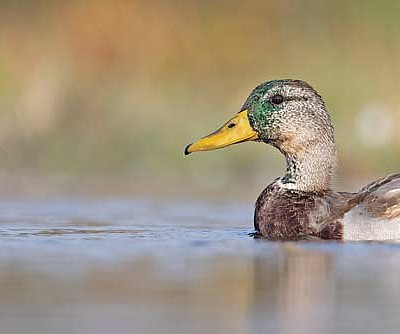
Wisconsin’s Northern Duck Zone — which includes the region of the state north of highways 10 and 41 — opens tomorrow, Sept. 26. The season starts a week before the Southern Duck Zone, and runs to Nov. 24.